AI-First Delivery
Facility and Event Management Built for Synagogues
VenueArc gives synagogues, temples, and independent minyanim one system to manage Shabbat services, daily minyan, religious school, life-cycle events, and High Holy Days without spreadsheet chaos.
One calendar for every service, simcha, committee meeting, and rental request with approvals, setup details, and accountability built in.
Explore Related Solutions
Find the right path for your congregation
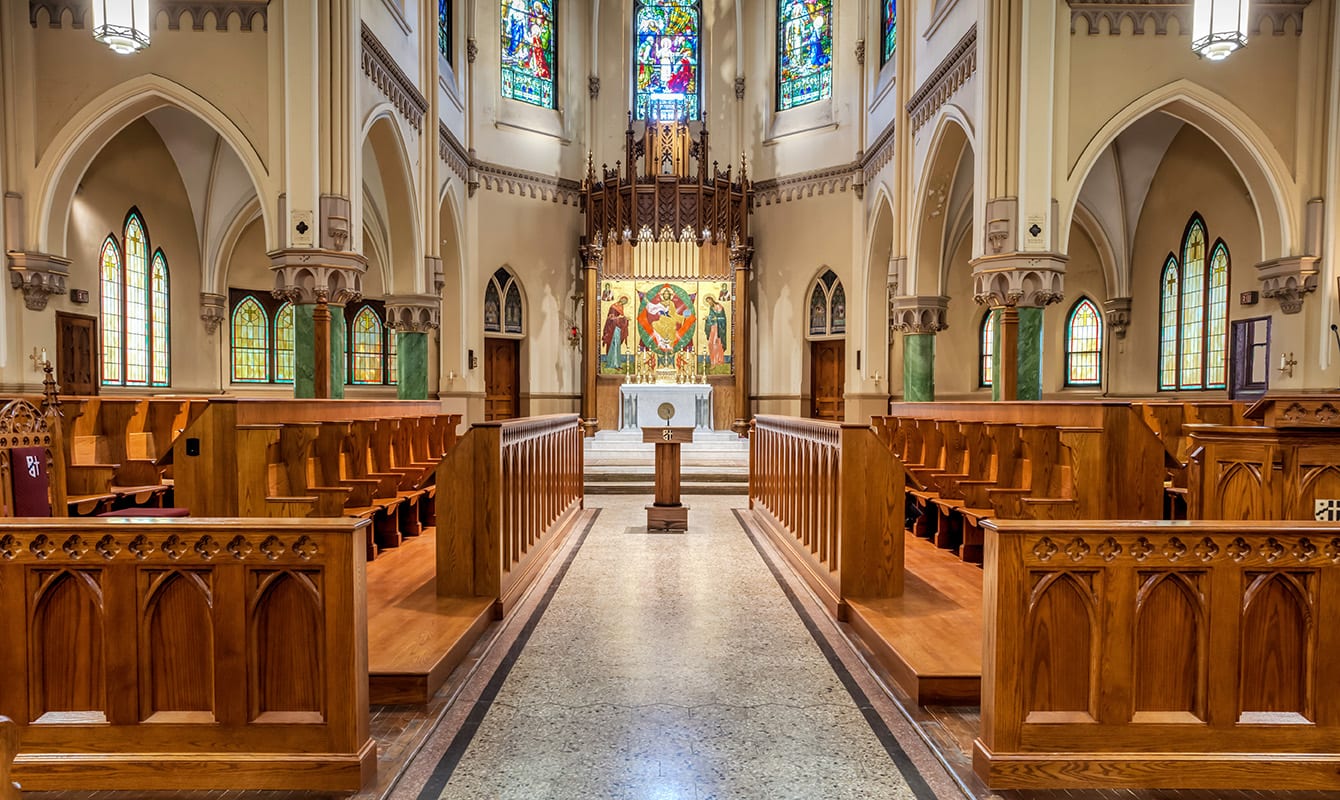
Houses of Worship
General scheduling and facility tools for congregations of every tradition.
Open page ->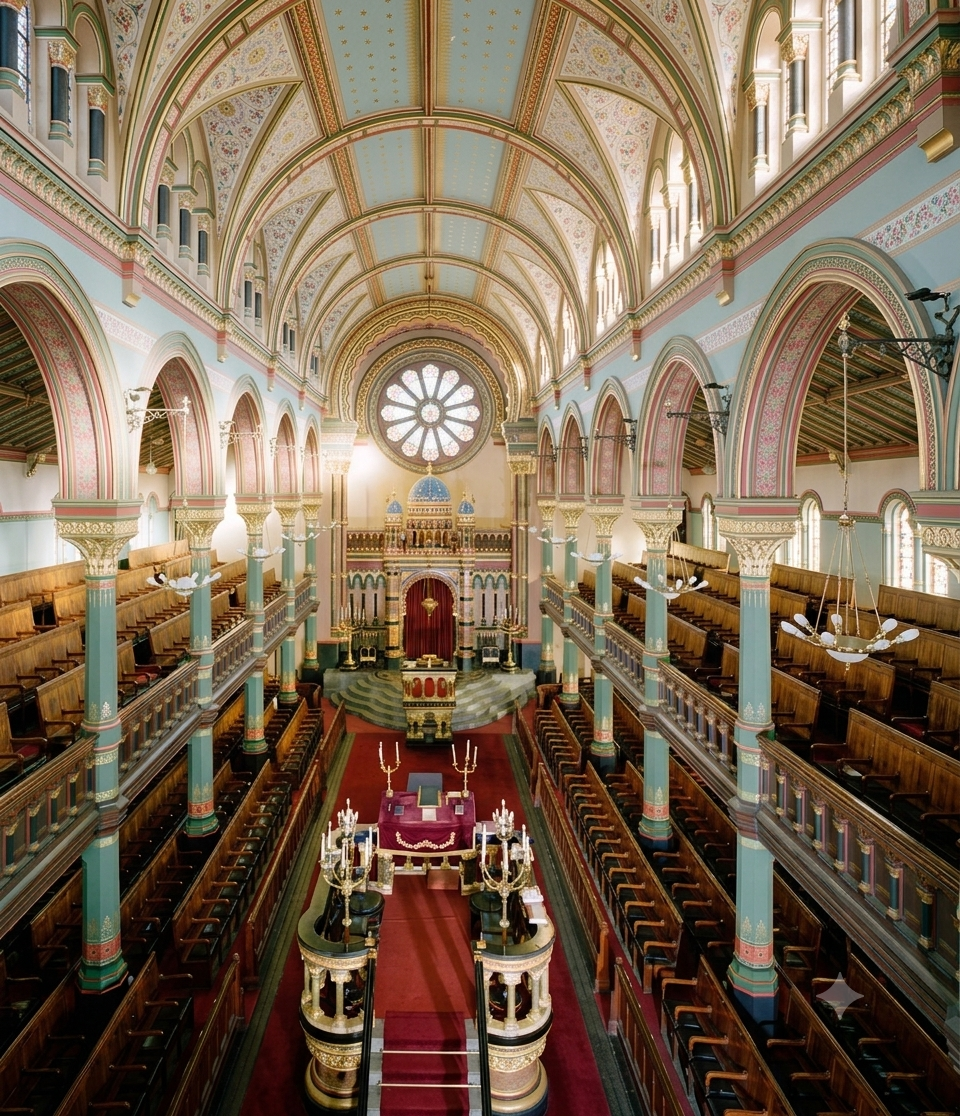
Multi-Site Synagogue and Federation Scheduling
Centralize scheduling, bookings, and contracts across satellite campuses and partner sites.
Open page ->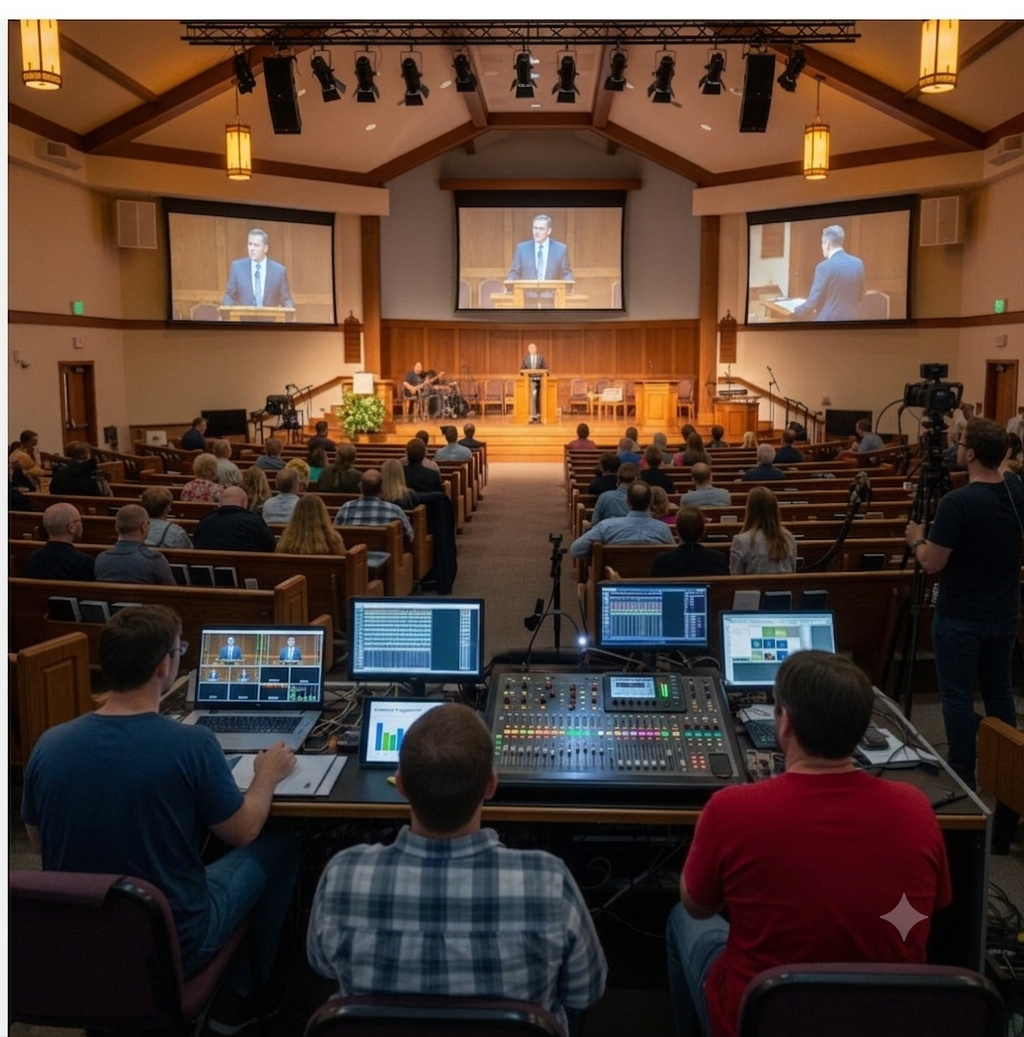
Congregation Coordination Stack
Services, religious school, clergy calendars, and rentals in one shared platform.
Open page ->Feature Snapshot
What teams use every week
Unified Facility Calendar
Shabbat and Holiday Recurring Scheduling
Room and Resource Booking Requests
Life-Cycle Event and Simcha Coordination
Security and Setup Requirements Tracking
High Holy Days Conflict Detection
Unified Facility Calendar
Shabbat and Holiday Recurring Scheduling
Room and Resource Booking Requests
Life-Cycle Event and Simcha Coordination
Security and Setup Requirements Tracking
High Holy Days Conflict Detection
Feature Breakdown
Eight capabilities built for synagogue operations
01
Unified Facility Calendar
See the sanctuary, chapel, social hall, boardroom, library, and every classroom in one view. Color-code by space or by committee so double-bookings are visible before Shabbat, not during it.
02
Shabbat, Minyan, and Hebrew School
Set weekly Shabbat services, daily or weekday minyan, and religious school once. VenueArc handles recurrence, moveable holidays, and blackout dates around Rosh Hashanah, Yom Kippur, Sukkot, Simchat Torah, Passover, and other observances.
03
Classrooms and Resource Booking
Let committee chairs, Sisterhood and Brotherhood leaders, and school staff submit requests online. Approvals route to clergy, executive director, or facilities automatically.
04
Life-Cycle Events and Outside Rentals
Coordinate b'nai mitzvah, baby namings, brit milah, weddings, funerals, and shiva alongside outside rentals with built-in intake forms, agreements, and insurance certificate tracking.
05
Setup, AV, and Security Requirements
Attach room-specific needs such as chairs, streaming for homebound members, kiddush setup, and security checkpoints to each booking.
06
Conflict Detection
Automatically flag overlapping bookings for sanctuary, social hall, or chapel so nothing is double-booked during High Holy Days or festival season.
07
Staff, Clergy, and Volunteer Access
Give rabbis, cantors, executive directors, office staff, and volunteer leaders the right access level so routine requests move quickly while sensitive schedules stay protected.
08
Space Utilization
Understand which spaces are used most, spot underused classrooms, and plan renovations or growth using real usage data.
How It Works
From mapping spaces to routing approvals
Map your spaces
Add your sanctuary, chapel, social hall, classrooms, boardroom, and satellite locations.
Set your schedule
Import recurring Shabbat services, daily minyan, school sessions, and holiday blackout dates.
Open requests and approvals
Give clergy, staff, volunteers, and approved outside renters the right level of access.
Why ARC
Built for every congregation model
Reform, Conservative, Reconstructionist, Orthodox, or unaffiliated. VenueArc adapts to your structure and calendar.
Small congregations and independent minyanim
Built-in recurring schedules, approvals, and room visibility for lean teams.
Mid-size synagogues with full religious school calendars
Handles full weekly education calendars without losing service and event flow.
Large multi-clergy congregations with satellite campuses
Supports multi-staff coordination, role-based access, and campus-level planning.
Jewish day schools and early childhood centers in shared facilities
Keeps school operations and worship spaces aligned on one shared system.
Scheduling Architecture
How scheduling flow works
From request submission to an approved calendar entry, in one transparent path.
Shabbat and Daily Minyan
Recurring services with holiday and blackout-date handling
Religious School and Hebrew School
Weekly classroom scheduling that coexists with adult programming
Life-Cycle Events
B'nai mitzvah, baby namings, weddings, funerals, and shiva coordination
High Holy Days
Overflow seating, setup routing, and security check planning
Congregational Programming and Rentals
Committee meetings, adult education, cultural events, and rentals
Governance and Control
Admin panel and security
Access Control
- Unified facility calendar views by role
- Shabbat and holiday recurrence controls
- Room and resource request permissions
Configuration
- Life-cycle event and rental workflow rules
- Setup, AV, and security requirement templates
- Conflict detection and escalation settings
Monitoring
- Role-aware activity history
- Reporting and utilization snapshots
- Operational visibility for staff and clergy
Supported Congregations
Built for worship communities across traditions
Synagogues
Shabbat services, Hebrew school, b'nai mitzvah, and High Holy Days
Churches
Sunday services, small groups, youth ministry, weddings, and funerals
Mosques
Daily prayers, Jummah, Islamic school, and Ramadan programming
Temples
Regular services, cultural events, and community classes across traditions
Gurdwaras
Daily prayers, kirtan, langar coordination, and Sikh school scheduling
Other Worship Communities
Regular gatherings, cultural events, and education programs
Frequently asked questions
- Does VenueArc account for the Hebrew calendar and moveable holidays?
Yes. Teams can structure recurring services and school schedules around Hebrew-calendar observances, applying date-specific blackout and prep windows so recurring bookings stay aligned year to year.
This is the single largest scheduling difficulty for synagogues, because the Hebrew calendar does not map cleanly onto the civil one. Observances fall on different civil dates each year and on different weekdays, so a recurring pattern built around last year's dates drifts out of alignment.
Prep windows matter as much as the dates themselves. Major observances require preparation well before the event, and the failure is rarely double-booking the observance itself it is booking the social hall the afternoon before, when the room is needed for setup. Encoding preparation as part of the schedule prevents bookings that are technically valid but operationally impossible.
- Can we manage High Holy Day planning alongside our regular calendar?
Yes. High Holy Day events carry dedicated setup, security, overflow, and AV requirements in the same workflow as weekly programming, with conflict checks surfaced before approvals are finalized.
The High Holy Days are operationally unlike anything else in the year. Attendance can be several times a normal Shabbat, overflow spaces open, ticketing or seating arrangements apply, and security requirements are significantly heavier which is precisely why they usually get planned outside the regular calendar, in a separate document owned by a committee.
That separation is what creates the collisions. Planning proceeds independently while the ordinary calendar keeps accepting bookings, and the conflict surfaces late. Keeping them in one workflow means a routine meeting request cannot quietly claim a room already committed to overflow seating.
- Can we coordinate religious school, lifecycle events, and committee use without double-booking spaces?
Yes. VenueArc gives each team a shared source of truth with room-level approval rules, so school schedules, simchas, and committee events coexist without hidden overlaps.
These three streams operate on entirely different timescales, which is why they collide. Religious school is fixed for the year, lifecycle events are booked far ahead but individually, and committee meetings appear with a week or two of notice. Each group reasonably assumes the others have accounted for them.
Room-level approval is what makes shared scheduling workable rather than merely visible. The person responsible for a particular space reviews requests for it, so someone who understands that the sanctuary needs the social hall free during a b'nai mitzvah can catch the problem rather than a central administrator approving on availability alone.
- Can clergy schedules and sensitive planning remain private?
Yes. Access controls let office and clergy teams protect private schedules while broader teams still request and manage standard room bookings.
Clergy calendars carry information that should not be widely visible. Pastoral counselling, funeral arrangements, conversion meetings, and family matters are all appointments people may not want known to the wider congregation and in a community where members know one another, an open calendar reveals a great deal simply by showing who is meeting whom.
The alternative most synagogues fall back on is keeping clergy schedules entirely outside the shared system, which reintroduces exactly the conflicts a shared calendar is meant to prevent. Restricted visibility resolves the tension: the time is blocked and protected from double-booking, while the detail remains limited to those who should see it.
- How are b'nai mitzvah and lifecycle event requirements tracked?
Each booking can include setup notes, room sequencing, staffing reminders, and operational checkpoints, so teams stop relying on separate spreadsheets or email chains for milestone tracking.
Lifecycle events are the most demanding bookings a synagogue handles, and the ones where errors are least forgivable. A b'nai mitzvah is planned a year or more ahead, involves the family, clergy, the school, caterers, and facilities, and moves through a long sequence of milestones with the family reasonably expecting everything to be right on the day.
Room sequencing is the practical detail that most often goes wrong: a service in the sanctuary followed by a kiddush in the social hall requires the second space to be prepared during the first. Attaching that sequence to the booking makes the dependency explicit rather than assumed.
- Can outside organizations submit space requests without direct calendar access?
Yes. Intake forms collect request details first, then route submissions to staff for review, so external requests never bypass your internal process.
Synagogues are often careful about outside use for reasons beyond scheduling security considerations, appropriateness of the activity, and kashrut or observance requirements that an outside group may not be aware of. None of that can be evaluated by a system; it requires staff judgment.
Structured intake makes that review efficient rather than automating it away. Instead of an email asking whether a room is free, staff receive the purpose, timing, and supporting detail together, and can approve with conditions attached. It also creates a record of what was requested and agreed, which matters if the arrangement is questioned later.
- Does VenueArc provide financial visibility for rentals and event agreements?
Yes. Booking records track agreement progress and fee-related status for reporting, while full accounting remains in your finance system.
The boundary is intentional. Synagogue finances involve membership dues, donations, restricted funds, and payroll that belong in proper accounting software, and a scheduling platform should not attempt to replace it.
What it addresses is the gap that usually sits between operations and finance: which facility rentals have signed agreements, which fees were agreed at what rate, and which deposits remain outstanding. That detail commonly lives with whoever handled each booking, which is why reconciling rental income is so often a manual exercise. Holding it on the booking gives the finance office a clean source without asking the calendar to become a ledger.
Give Your Synagogue One System Your Staff Will Actually Use
See how VenueArc simplifies scheduling for congregations of every size and affiliation.
Book a Demo